

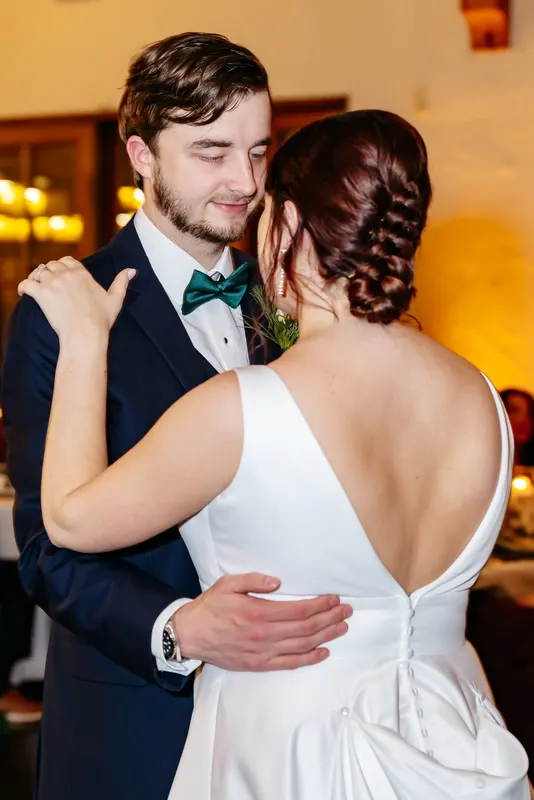
The couple want a film for each day. The families want the whole wedding day, every speech and the baraat from start to finish. Someone wants a trailer for Instagram by next week. And your usual editor is booked until January.
That’s a normal week for a UK videographer who films South Asian weddings. This post looks at how to structure the films for a multi-day wedding, what makes the edit hard, and how to brief it so the films come back the way you’d cut them yourself.
The structure: an event film for each day, plus a highlight
The simplest structure that works for most couples is:
- An event film for each event: mehndi, haldi, sangeet, the wedding day, baraat or reception. Each one is a complete record of that event, with the key moments in order.
- A highlight across all of them: a shorter film that tells the story of the whole wedding, from the first event to the last, cut to music.
- A teaser: around a minute, for the couple to share early.
This is how we approach multi-day work, and it’s the line on our what we edit page: one film per event, plus a highlight across all of them. Some couples want the wedding day and reception as full-length films and the smaller events as shorter edits. Put whatever you’ve agreed with the couple in the brief.
The highlight is the hardest of the three to get right, because it has to make several very different events feel like one story. Light, colour and pace all change from day to day. The grade and the music are what tie them together.
Syncing many cameras and the dhol
A single South Asian wedding can mean three to five cameras and twenty to forty hours of footage across the days. That’s before you add the drone and separate audio recorders.
Before any story editing starts, everything needs to line up:
- Every camera synced to the same timeline for each event.
- Separate audio from lapel mics, the DJ desk or a recorder on the lectern, synced to picture.
- The best takes pulled for every moment, so the cut works from selects rather than the full rushes.
Sound is where these weddings get loud. Dhol at the baraat, a DJ at the sangeet, a hall full of guests during the speeches. Clean-up means pulling the speech or vow audio forward and keeping the music and crowd as atmosphere rather than noise. If you recorded a clean feed from the DJ or the venue’s PA, include it.
How you lay out the footage saves time on both sides. A folder for each event, and inside it a folder for each camera, the drone and each audio recorder, means nothing gets missed or matched to the wrong day. Put the event list, with dates and the cameras you ran at each, at the top of the brief. If a camera stopped recording partway through or a mic failed, say so, so it isn’t mistaken for a gap in the edit.
Speeches and vows stay whole
In the full-length films, we keep vows and speeches whole. We don’t trim a speech because it’s long, and we don’t cut the middle out of one because it’s in a language other than English.
Speeches at these weddings are often in Punjabi, Urdu, Hindi, Gujarati or a mix with English. For the full-length films that doesn’t change much: they stay in, start to finish, with the audio cleaned.
For the highlight it matters more, because choosing a line means knowing what was said. The easiest way to handle it:
- Mark the lines you want. In the brief, give timestamps for the moments you or the couple want in the highlight: a line from the father’s speech, the moment the couple laugh during the vows.
- Note what to avoid. Anything the family wouldn’t want in a public trailer.
- Leave the rest to the structure. If there’s no marked line, the highlight is cut to music and moments rather than speech.
Social reels for the couple
Couples will want something vertical for Instagram and TikTok, usually before the full films are ready. Our social reels add-on gives you three 9:16 cuts for £30.
On a multi-day wedding, a sensible split is one reel for the mehndi or sangeet, one for the wedding day and one for the reception or baraat. Say which events you want reels from in the brief.
Turnaround, and getting the teaser out first
Our standard turnaround is seven business days from the day your links work and the brief is complete, with UK bank holidays not counted. For a multi-day wedding, tell us which film you need first, usually the teaser or the highlight, and we’ll plan around it.
If you need something back within days, for a couple flying out or a family event, rush delivery in 72 hours adds 50% to the order. Each revision round takes about two business days and goes back to the same editor.
How pricing works
There’s no special rate for big or multi-day weddings. They’re charged at the same standard package prices as any other wedding. The Highlight film is £80, the Feature film is £120 and both together are £195, each with the project file and revisions included. The Highlight covers one to three cameras plus drone; the Feature runs 15 to 40 minutes with vows and speeches in full and a one-minute teaser. Social reels are £30.
List the events and the cameras you ran at each in the brief, so the edit is planned around them. You can use send a project and choose “South Asian wedding (multi-day)”.
You get Premiere Pro or DaVinci Resolve project files back, so you can make your own changes later.
Your next step
If you want to test the match on one event before sending a whole wedding, use your free trial on a Highlight film from a single event, such as the sangeet or the reception. It’s edited and delivered like a paid project, with no card needed.
See the full list of events we edit on what we edit, every price on the packages page and each step day by day on how it works. Our autumn field wedding film shows mehndi and fabric detail kept rich through the grade.
If you also shoot stills or work with a photographer, read editing a South Asian wedding in the UK: mehndi to reception as one story. For Birmingham and Midlands studios, our Midlands guide covers working through a stacked season.